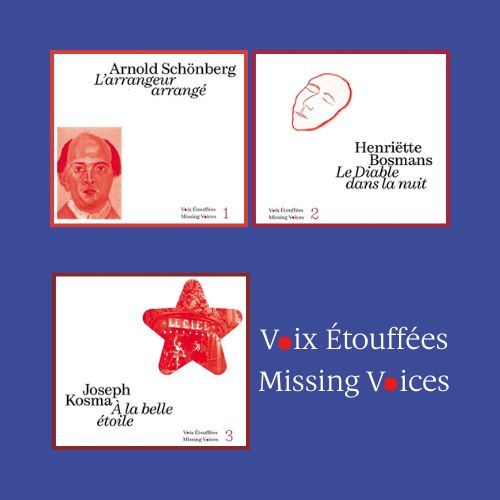
Release of three new CDs in the Voix Etouffées - Missing Voices collection
Hortus Editions, vol. 1: Nov. 2024, vol. 2: June 2025, vol. 3: Dec. 2025
Under the artistic direction of Thomas Tacquet and Dimitri Malignan, Voix Etouffées – Missing Voices is a collection dedicated to composers who were victims of totalitarianism, particularly those persecuted by Nazism, whether famous or unknown, condemned to silence or exile, murdered or who died in deportation.
Hortus Editions, in collaboration with Forum Voix Étouffées and the Missing Voices project, has planned the release of eight CDs between 2024 and 2026, which will be devoted to the works of Arnold Schönberg, Henriëtte Bosmans, Joseph Kosma, Dan Belinfante, Erich Itor Kahn, and others.
At the end of 2025, Thomas Tacquet presented the first three volumes of this collection to the European Institute of Jewish Music.
Arnold Schönberg, l’arrangeur arrangé
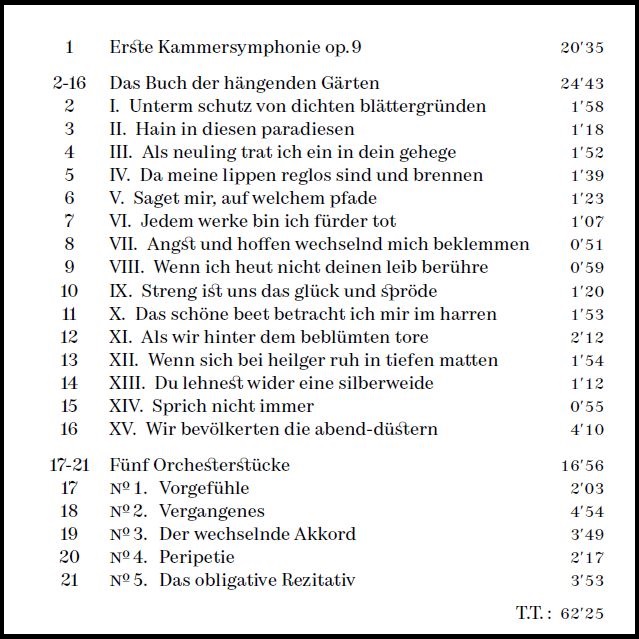
The last recording by Amaury du Closel (1956 – 2024), founder of the Forum Voix Etouffées in 2005, this recording presents three major works by Arnold Schönberg: First Chamber Symphony, Erste Kammersymphonie op. 9; The Book of Hanging Gardens, Das Buch der hängenden Gärten op. 15; Five Pieces for Orchestra, Fünf Orchesterstücke op. 16.
Arnold Schönberg – or Schoenberg – (1874-1951) was a German composer who revolutionized music in the first half of the 20th century. A renowned theorist, painter, author, and arranger, he was an exceptional figure. Converted to Protestantism in 1898 like many assimilated Jews, he suffered from the rise of anti-Semitism in the 1920s. After Adolf Hitler came to power in Germany and the “German Law for the Restoration of the Civil Service of April 7, 1933” was enacted, Schönberg had to resign from his activities, including the composition classes he taught at the Prussian Academy of Arts.
Considered “degenerate” by the Nazi regime, he was forced to leave Germany and spent several months in France, where he rejoined the Jewish faith on July 30, 1933, at the synagogue on Rue Copernic (Paris), before going into permanent exile in the United States, where he taught composition in New York, Boston, and then at the University of Los Angeles until his retirement in 1944.
Considered by the Nazis to be “the quintessential degenerate musician,” Schoenberg was one of the most famous victims of Nazi Germany’s anti-Semitic policies.
Henriëtte Bosmans, le diable dans la nuit
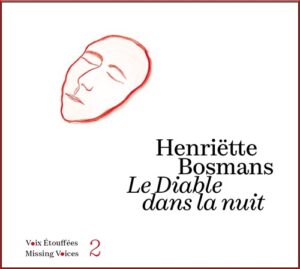
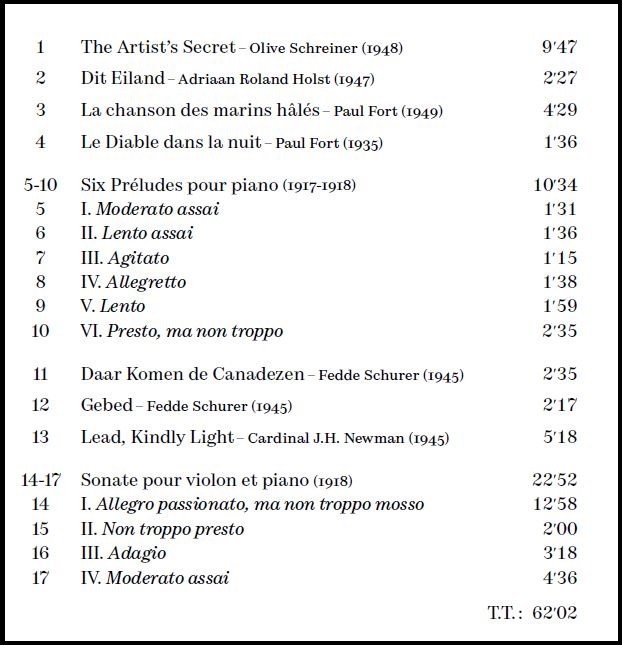
A renowned composer and concert pianist between the wars, Henriëtte Bosmans was unjustly forgotten after her death. Her career had already been seriously interrupted by the Nazi occupation of the Netherlands and the anti-Semitic persecution she faced. This CD, entitled Le Diable dans la nuit (The Devil in the Night), brings her instrumental and vocal music back to the forefront.
A work full of color and contrast, long neglected, beautifully performed by Elizaveta Agrafenina, soprano, Sarah Bayens, violin, and Dimitri Malignan, piano and conductor.
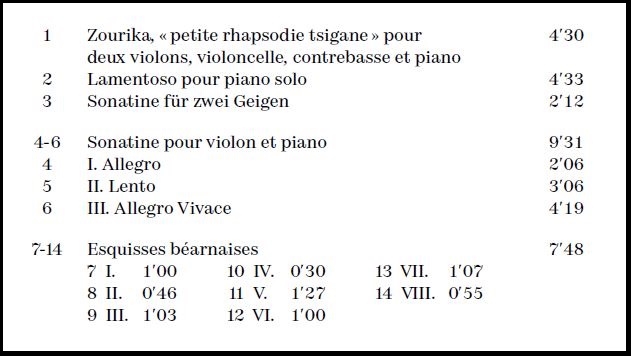
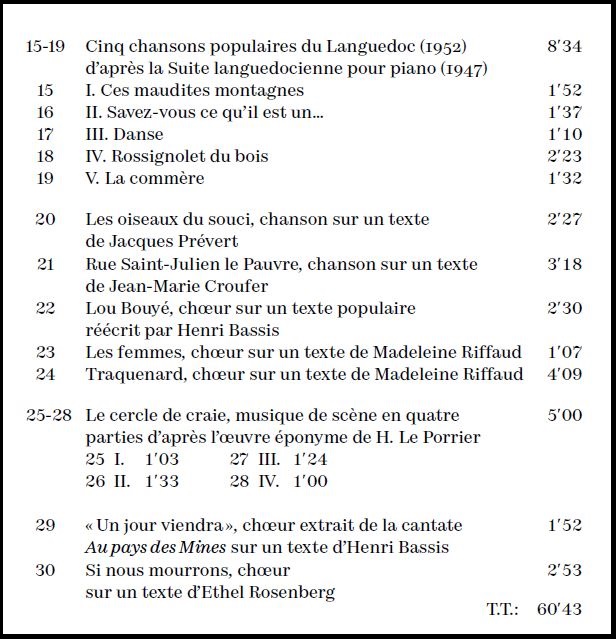
Joseph Kosma, à la belle étoile
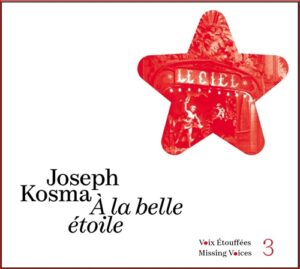
A Hungarian Jew, Joseph Kosma (1905-1969), like Brecht, Weil, and Eisler, was forced to flee Berlin in 1933. His play À la Belle étoile (1935) marked his Parisian debut: his meeting with Prévert, his political struggles, his film scores, and his songs. This album also aims to reveal little-known—or even never-before-recorded—works for choir, piano, and voice, written over the course of his encounters, particularly with resistance fighters Madeleine Riffaud and Henri Bassis, and in keeping with a revolutionary ideal (Si nous mourrons, written based on Ethel Rosenberg’s letter to her two sons).
This recording is beautifully performed by soprano Catherine Trottmann, mezzo-soprano Anne-Lise Polchlopek, violinist David Moreau, and the Fiat Cantus choir, conducted and accompanied on piano by Thomas Tacquet.
Browse our archives on Joseph Kosma
Learn more about the Voix Etouffées – Missing Voices collection