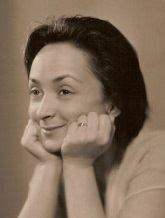
The soprano Nehama (or Nechama) Lifshitz (1927-2017), often nicknamed “the Jewish nightingale,” was one of the leading figures of the Jewish cultural renaissance of the 20th century. Through her performances of songs in Yiddish and Hebrew, she made her voice heard in the heart of the Soviet Union, becoming a symbol of identity, memory, and hope for many Jews.
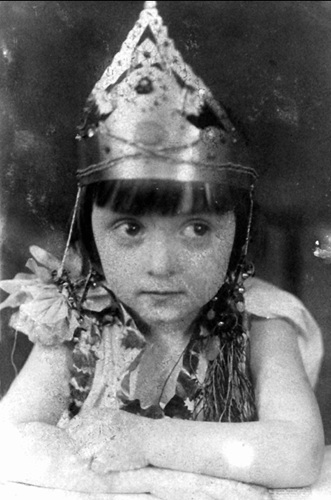
She was born in 1927 in Kaunas, Lithuania, into a Zionist Jewish family deeply attached to culture. Her father, Yehuda-Hirsch Lifshitz, a doctor, teacher, and violinist, embodied the ideal of a rich intellectual and artistic life. Her mother, Batya, sang constantly at home and instilled a love of music in her daughter from an early age. Before World War II, Nehama studied at the Hebrew gymnasium in Kaunas.
When war broke out and the region was invaded by Nazi Germany, she fled eastward with her parents and sister and found refuge in Uzbekistan. Much of her family who remained in Lithuania was murdered during the Holocaust, notably in the ghettos of Vilnius and Kaunas, as well as in the Ninth Fortress near the latter.
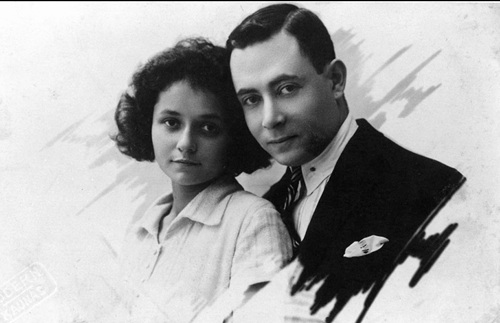
At the end of the war, the family returned to Lithuania. Nehama Lifshitz then continued her musical studies at the Vilnius Conservatory. Blessed with an exceptional soprano voice, she quickly began a career as a soloist, performing at the Kaunas Opera House and then joining the Vilnius Philharmonic Orchestra in 1953.
From 1956 onwards, she began singing in Yiddish. This artistic choice took on particular significance in the Soviet context, where public expression of Jewish culture remained severely restricted. In 1958, she won first prize for singing at the Soviet Union music competition in Moscow. From then on, she toured extensively throughout the Soviet Union and Europe.
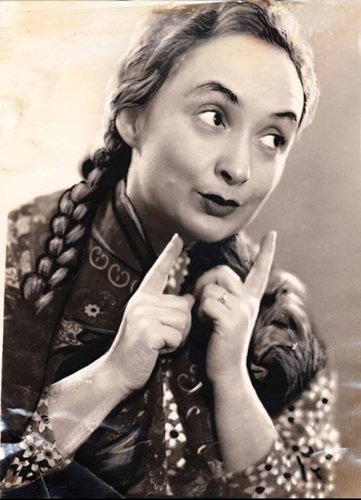
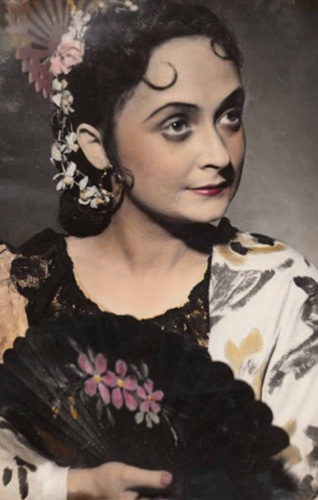
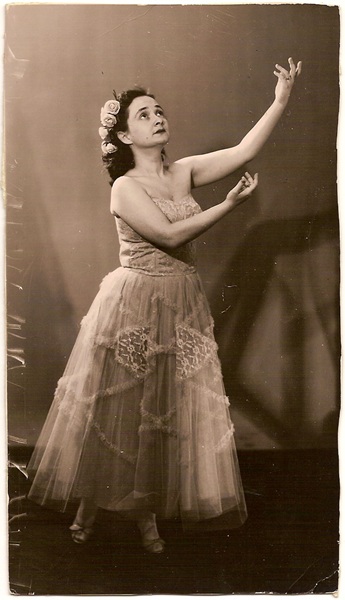
Her concerts attracted large Jewish audiences who recognized her repertoire as a cultural and spiritual affirmation. Gradually, Nehama Lifshitz became an iconic figure for Soviet Jews, expressing through music their attachment to their identity and their aspiration to emigrate to Israel. During those years, she also collaborated secretly with the Israeli embassy in Moscow, an activity that placed her in a delicate situation with regard to the Soviet authorities.
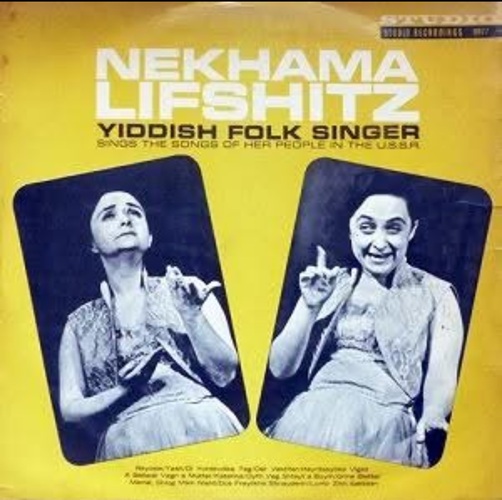
In 1964, she began performing openly in Hebrew on stage, a highly symbolic gesture in a political context marked by surveillance and mistrust of any expression of national or religious particularism.
In 1969, she finally left Soviet Lithuania and emigrated to Israel. In her new country, she continued her artistic career and contributed to enriching the Israeli musical repertoire with her interpretations of songs in Yiddish and Hebrew. She also performed songs associated with Jewish dissidents in the Soviet Union, notably those of the Prisoners of Zion and the refuseniks.
Her commitment to Yiddish culture also extends to the field of education. In 1998, she founded a Yiddish song and poetry workshop, aimed at passing on this heritage to younger generations. The method she developed there is based on a comprehensive approach, combining music, poetry, and history in order to convey the full richness of a culture shaped by nearly a thousand years of creativity.
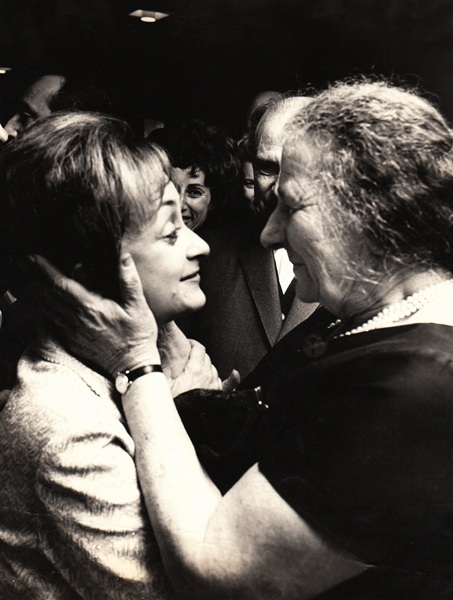
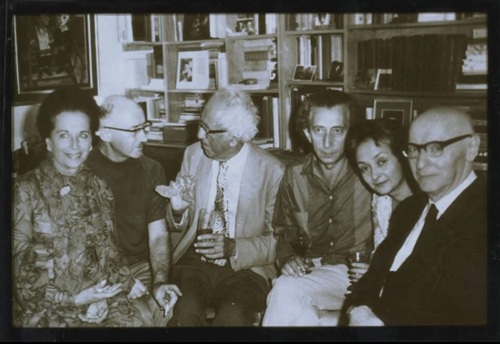
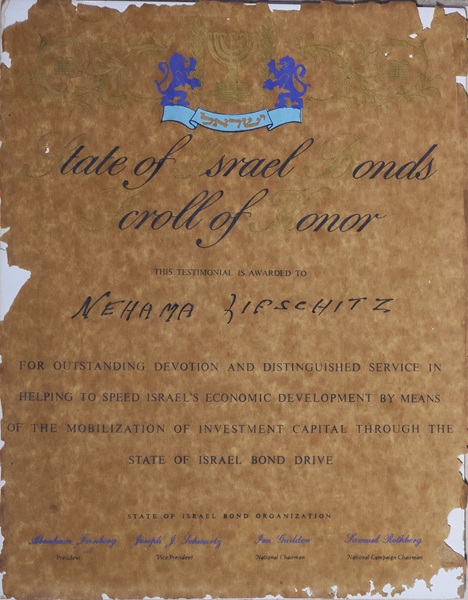
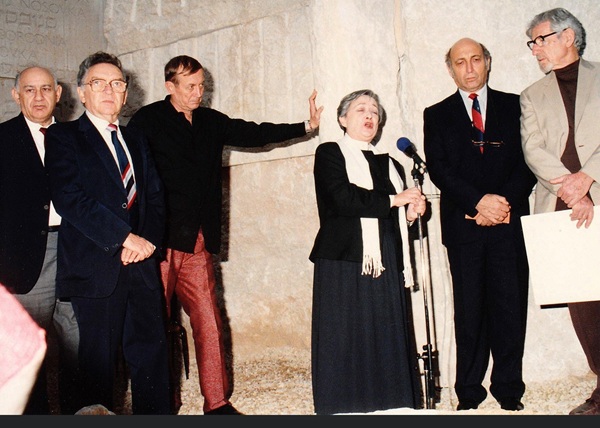
In 1994, a program broadcast by the Israeli Broadcasting Authority celebrated the twenty-fifth anniversary of her arrival in Israel. In 2004, the city of Tel Aviv awarded her the title of “Beloved of Tel Aviv.” In 2006, she was elected president of the World Council of Yiddish Culture.
Throughout her life, Nehama Lifshitz has devoted her work to preserving and passing on Yiddish culture, which the totalitarian regimes of the 20th century—those of Adolf Hitler and Joseph Stalin—attempted to eradicate. Through her voice, her commitment, and her teaching, she made an essential contribution to preserving this heritage and reintroducing it into contemporary Israeli culture.
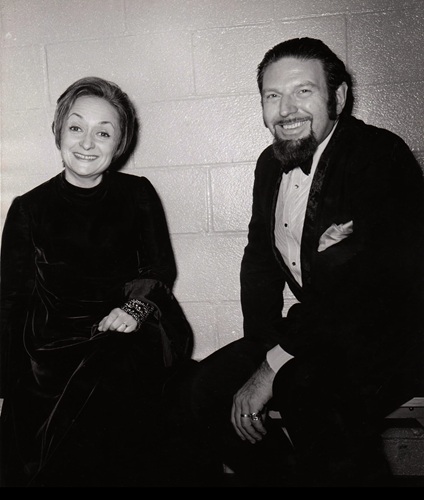
Sources: Thanks to Roza Litay, daughter of Nehama Lifshitz, for the many documents and information provided.